
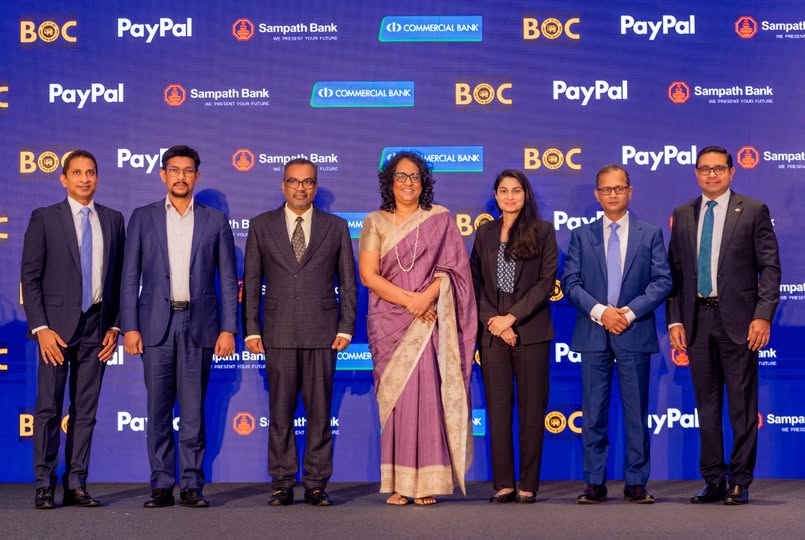
PayPal Officially Launches in Sri Lanka, Marking Major Step for the Digital Economy
By Lakshitha Thiwanka | Technology & Digital Economy
Sri Lanka officially entered a new phase of digital financial integration this week with the launch of PayPal services in the country, a long-awaited development expected to transform online commerce, freelancing, and cross-border digital transactions.
The official announcement was made at a launch event held in Colombo under the patronage of Prime Minister Harini Amarasuriya, alongside senior government officials, banking sector representatives, and PayPal executives.
A Long-Awaited Milestone
For years, Sri Lankan users were restricted to limited PayPal functionality, with the inability to directly receive international payments posing a major challenge for freelancers, entrepreneurs, exporters, and online businesses.
The latest rollout changes that landscape significantly by enabling regulated cross-border payment capabilities through local banking partnerships.
Initial banking partners include Bank of Ceylon, Commercial Bank of Ceylon PLC, and Sampath Bank PLC, with additional financial institutions expected to join in the coming months.
Boost for Freelancers and SMEs
Industry observers view the move as a major breakthrough for Sri Lanka’s growing digital workforce.
Freelancers, software developers, designers, e-commerce sellers, and online service providers are expected to benefit from improved access to secure international payments and global marketplaces.
The government noted that Sri Lanka’s SME sector contributes more than 50% to national GDP, making digital payment accessibility increasingly important for economic growth and export-oriented entrepreneurship.
PayPal executives also highlighted Sri Lanka’s strong base of skilled digital talent capable of competing globally once payment barriers are removed.
Part of a Wider Digital Economy Strategy
The launch aligns closely with Sri Lanka’s broader digital transformation agenda, which includes expanding fintech adoption, strengthening digital infrastructure, and increasing participation in the global digital economy.
Recent initiatives such as GovPay and cross-border digital payment integrations reflect the country’s increasing focus on cashless transactions and financial technology modernisation.
Government officials stated that transparent and secure financial systems will play a critical role in supporting job creation, innovation, and long-term economic growth.
Regulated and Integrated Financial Access
The rollout follows months of coordination between the Ministry of Digital Economy, the Central Bank of Sri Lanka, local financial institutions, and PayPal representatives to address regulatory and technical requirements.
The new framework is expected to improve transaction transparency while bringing more foreign currency inflows into formal banking channels.
Analysts also note that the service could reduce reliance on unofficial payment workarounds previously used by many Sri Lankan freelancers and digital businesses.
Outlook
The official launch of PayPal in Sri Lanka represents more than the arrival of a global payment platform — it signals the country’s deeper integration into the international digital economy.
As online entrepreneurship, freelancing, and e-commerce continue to expand, access to trusted global payment systems is expected to become increasingly important for economic competitiveness and innovation.
For thousands of Sri Lankan digital professionals and businesses, the development marks a long-awaited turning point in accessing global opportunities through a secure and regulated financial ecosystem.