
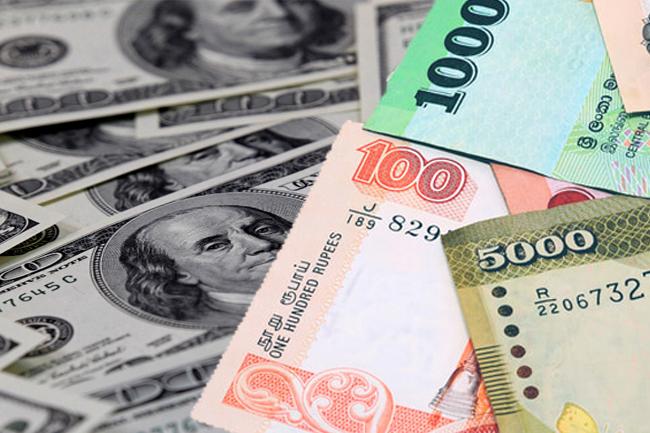
US Dollar Surges Against Sri Lankan Rupee as Selling Rate Crosses Rs. 329
The US Dollar recorded a sharp increase against the Sri Lankan Rupee on Wednesday, with the selling rate crossing Rs. 329 for the first time since late 2023, intensifying pressure on the local currency market.
According to the latest exchange rate data, the dollar rose to Rs. 323.95 against the rupee, compared with Rs. 322.27 recorded the previous day. Commercial bank buying and selling rates also climbed significantly, with the selling rate reaching Rs. 329.92.
Highest Levels Since Early 2024
Market data indicates that the latest movement marks the strongest level recorded by the US Dollar against the Sri Lankan Rupee since the beginning of 2024.
The buying rate increased from Rs. 319.77 to Rs. 322.28, while the selling rate moved up sharply from Rs. 327.38 to Rs. 329.92 within a single trading day.
Currency analysts note that the rupee has come under renewed pressure in recent weeks amid increased demand for foreign currency and heightened global market uncertainty.
Global and Domestic Factors Driving the Increase
The strengthening of the US Dollar globally has been a major contributing factor behind the rupee’s depreciation.
Internationally, investors have continued to shift toward dollar-denominated assets due to geopolitical tensions, elevated oil prices, and uncertainty surrounding global economic growth.
Domestically, increased importer demand for foreign currency and market sentiment have also influenced exchange rate movements.
Analysts suggest that external sector pressures and global financial conditions remain key drivers of short-term volatility in the local currency market.
Impact on the Economy
A stronger US Dollar has direct implications for Sri Lanka’s import-dependent economy.
Higher exchange rates can increase the cost of fuel, raw materials, consumer goods, and other imports, potentially adding pressure on inflation and business operating costs.
At the same time, exporters and remittance earners may benefit from improved rupee conversion values.
Financial sector observers note that sustained currency depreciation could also affect investor confidence and foreign debt servicing costs if volatility continues.
Central Bank Monitoring Market Conditions
The Central Bank of Sri Lanka continues to monitor exchange rate movements through its market-based exchange rate framework.
Recent monetary policy measures and improvements in foreign reserves had previously contributed to relative currency stability, although global developments continue to influence local market conditions.
Outlook
While short-term fluctuations are expected to continue, market analysts believe the future direction of the rupee will depend largely on external sector performance, foreign inflows, and broader global economic conditions.
For businesses and consumers, the latest rise in the dollar highlights the continued sensitivity of Sri Lanka’s economy to international currency movements and global financial trends.