
Sri Lankan Fintechs Target Regional Expansion to Unlock 200 Million-Person Market Opportunity
Sri Lanka’s fintech sector is increasingly looking beyond the country’s relatively small domestic market, with industry leaders identifying regional expansion as a key pathway for local fintech companies to achieve greater scale and international competitiveness.
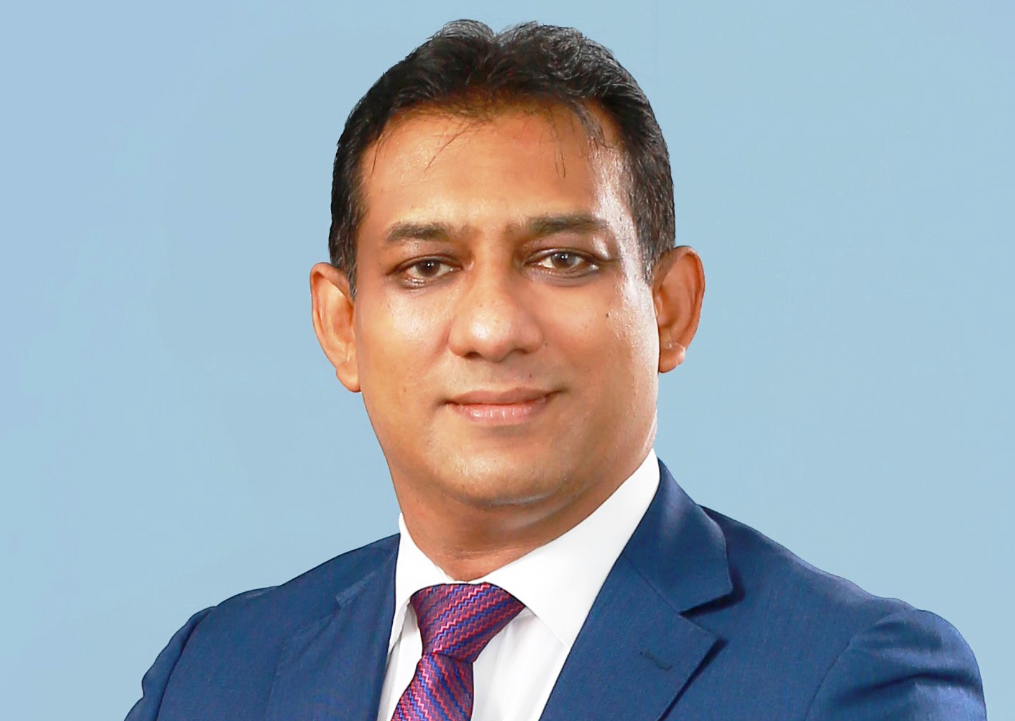
According to Conrad Dias, Vice Chairman of the Fintech Forum Sri Lanka and Chairman of LOLC Finance PLC, Sri Lankan fintech companies have significant opportunities to expand into larger overseas markets, particularly in regions such as Africa, where individual markets can offer access to populations of around 200 million.
“If our fintechs can operate in one of the countries in Africa, for example, they could access a market of around 200 million people,” Dias noted, highlighting the scale difference compared with Sri Lanka’s population of just over 20 million.
Moving Beyond Domestic Market Constraints
While Sri Lanka has developed a growing base of fintech innovation, industry stakeholders believe the size of the domestic market can eventually limit the growth potential of successful companies.
For fintech businesses seeking to develop into globally competitive enterprises, access to larger regional markets will be essential. This makes international partnerships, regulatory cooperation, and market-entry support increasingly important components of Sri Lanka’s fintech development strategy.
The focus is therefore shifting from simply encouraging innovation within Sri Lanka to creating pathways that allow locally developed fintech solutions to be exported and scaled internationally.
Strengthening Collaboration Across the Fintech Ecosystem
The Fintech Forum Sri Lanka has been working to bring together key stakeholders across the country’s financial technology ecosystem, including banks, finance companies, fintech start-ups, payment service providers, technology companies, regulators, and policymakers.
Dias said one of the Forum’s key achievements has been bringing together an industry that previously operated largely in separate segments.
Today, participation extends across much of Sri Lanka’s banking sector, alongside fintech companies, LankaPay and other important industry stakeholders, while the Central Bank of Sri Lanka continues to engage with the ecosystem.
This broader collaboration provides a stronger foundation for addressing regulatory challenges, encouraging innovation, and creating opportunities for Sri Lankan fintech companies to enter international markets.
Creating a Platform for Regional Growth
The next phase of Sri Lanka’s fintech development is expected to place greater emphasis on regional expansion, policy engagement, and innovation.
For local fintech companies, entering larger international markets could provide access to a significantly broader customer base while creating opportunities to develop products and services that can compete on a global scale.
The Forum’s efforts to connect financial institutions, technology companies, regulators, and start-ups are intended to strengthen the ecosystem needed to support this expansion.
A New Opportunity for Sri Lankan Fintech
As digital financial services continue to evolve globally, Sri Lanka has an opportunity to position its fintech sector beyond its domestic market.
With a strong foundation of financial institutions, digital payment infrastructure, technology talent, and increasing collaboration among industry stakeholders, the country’s fintech sector could increasingly focus on developing solutions that are scalable across borders.
The prospect of accessing markets with populations of around 200 million represents a significant opportunity for Sri Lankan fintech companies. However, turning this potential into sustainable growth will require continued innovation, strong regulatory cooperation, strategic partnerships, and a coordinated approach to international expansion.
For Sri Lanka’s fintech industry, the next stage of growth may therefore depend not only on how effectively it serves the local market, but also on how successfully it takes homegrown financial technology solutions to the wider world.