
Sri Lankan FinTech Firms Target Regional Growth Opportunities Beyond Domestic Market
Sri Lankan FinTech companies are increasingly looking beyond the country’s domestic market as they seek larger opportunities for growth, scale and international expansion. With Sri Lanka’s population standing at just over 20 million, industry leaders believe that access to larger regional markets will be critical in enabling local FinTech innovators to build commercially sustainable and globally competitive businesses.
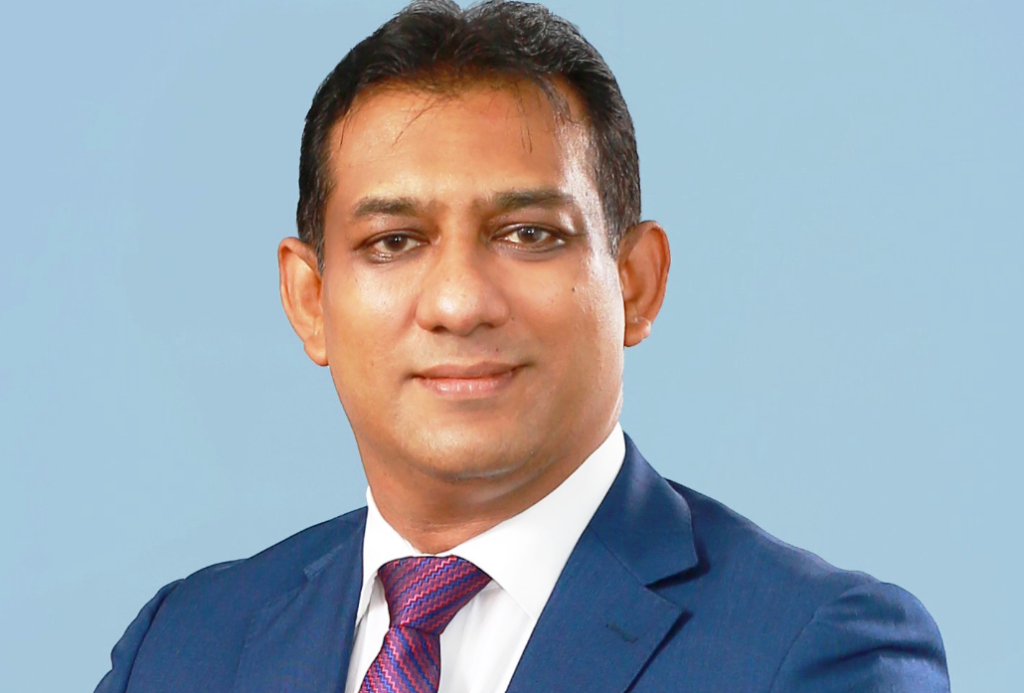
Conrad Dias, Vice Chairman of the FinTech Forum Sri Lanka and Chairman of LOLC Finance PLC, believes the next phase of Sri Lanka’s FinTech development should focus on helping local companies access international markets while strengthening collaboration among financial institutions, regulators and technology providers.
According to Dias, Sri Lanka has demonstrated its ability to develop innovative financial technology solutions. However, the relatively limited size of the domestic market means that successful FinTech businesses may eventually need to expand internationally to achieve meaningful scale.
He highlighted the potential opportunities available in larger regional markets, particularly in Africa, where Sri Lankan FinTech companies could potentially gain access to significantly larger customer bases. Such expansion, he noted, could provide local innovators with opportunities to operate in markets several times the size of Sri Lanka’s domestic economy.
A key objective of the FinTech Forum Sri Lanka is to create stronger connections across the country’s financial technology ecosystem. The Forum brings together banks, finance companies, FinTech start-ups, payment providers, technology companies, regulators and policymakers to encourage greater collaboration and industry alignment.
Over time, this collaborative approach has helped bring together stakeholders that previously operated independently. Today, nearly all major banks participate in the ecosystem alongside FinTech companies, LankaPay and other key industry stakeholders, while the Central Bank of Sri Lanka continues to remain actively engaged.
Building on this foundation, the FinTech Forum is now focusing on accelerating innovation, strengthening policy engagement and creating new pathways for Sri Lankan companies to expand into regional and international markets.
The success of previous industry initiatives, including the Sri Lanka FinTech Summit, has further contributed to bringing together a wider cross-section of the ecosystem. The Forum plans to build on this momentum through expanded events and initiatives designed to promote greater engagement between industry participants.
International partnerships are also becoming an increasingly important part of Sri Lanka’s FinTech growth strategy. The Forum has established relationships with FinTech associations and ecosystems in Singapore, Taiwan and Africa, creating opportunities for knowledge sharing, business collaboration and potential market access.
These partnerships are expected to help Sri Lankan FinTech companies identify international business opportunities, connect with potential partners and gain a better understanding of regulatory requirements in overseas markets.
While Sri Lanka provides a favourable environment for developing and testing innovative FinTech solutions, long-term commercial growth will depend on the ability of companies to access larger markets. International collaboration can therefore play an important role in helping local businesses overcome challenges that may be difficult to address independently.
The Forum’s efforts are centred on three key areas: strengthening collaboration across the industry, advocating policies that support innovation while maintaining financial stability, and developing the broader FinTech ecosystem through knowledge sharing, workshops, industry events and international partnerships.
Improving access to financial services for small and medium-sized enterprises (SMEs) and micro-businesses is another important priority. Traditional financial institutions can face higher operational and regulatory costs when serving smaller businesses, while FinTech companies are increasingly developing digital solutions that can deliver financial services more efficiently.
Dias believes collaboration between traditional financial institutions and FinTech companies offers the most effective approach. FinTech firms can contribute technological innovation, improved digital experiences and customer-focused solutions, while banks and regulated financial institutions provide trusted infrastructure, governance, regulatory compliance and institutional expertise.
By combining these strengths, the industry could help expand access to financial services for businesses that have traditionally remained underserved.
The growth of embedded finance is also expected to create significant opportunities for Sri Lanka’s FinTech sector. While buy-now-pay-later platforms represent an early example of embedded financial services, the broader potential extends to integrating financial products directly into e-commerce platforms, digital marketplaces, super apps and industry-specific ecosystems.
As open banking continues to develop, financial services are expected to become increasingly integrated into the digital platforms already used by businesses and consumers. This could create new opportunities for FinTech companies over the coming years.
At the same time, industry leaders emphasise the importance of ensuring that regulation evolves alongside technological innovation. Digital lending, in particular, has attracted increasing attention as some online lending platforms operate outside conventional financial structures, potentially creating risks for consumers and businesses.
Clear and proportionate regulatory frameworks could help strengthen confidence among consumers, financial institutions and FinTech companies while continuing to support innovation.
The FinTech Forum is working closely with the Central Bank of Sri Lanka to advocate for regulatory frameworks that encourage innovation while strengthening consumer protection and maintaining the stability of the financial system.
Dias also highlighted the importance of data collaboration and stronger partnerships between banks and FinTech companies. While certain forms of data sharing are already taking place within the LankaPay ecosystem, broader access to financial data would require deeper cooperation across the industry.
As Sri Lanka’s FinTech ecosystem enters its next stage of development, collaboration, innovation and international expansion are expected to remain central to its long-term success.
By strengthening partnerships within the domestic ecosystem and building stronger connections with international markets across Asia and Africa, Sri Lanka has the potential to support the growth of local FinTech companies from promising domestic innovators into commercially sustainable regional players.
The focus, industry leaders believe, is now shifting from building the foundations of the ecosystem towards accelerating innovation, scaling businesses and unlocking new opportunities beyond Sri Lanka’s borders.